Start with heat, then look at the setting
Sauna descriptions often combine several kinds of information. A product can be described by its heater, its shape, its location or the tradition surrounding its use. “Outdoor” tells you where the room sits; “electric” tells you something about its heat source. Those descriptions can both apply to the same cabin.
When comparing experiences, ask a few plain questions. What heats the room or the person? What preparation is involved? Where do you change and rest? How does the particular equipment operate? This separates the experience you can expect from the atmosphere of a photograph, and gives you a more useful basis for choosing a visit or planning a project.
Wood heating: preparation becomes part of the occasion
A wood-heated traditional sauna makes tending the heat part of the preparation. Visit Estonia’s national tourism guide distinguishes wood heating from electric options and from the particular methods used in a smoke sauna. Follow the instructions for the actual room and heater you are using.[1]
This kind of visit may appeal if you enjoy the anticipation of preparing a place and have time for it. Before choosing a system for home, discuss fuel storage, cleaning, operation and all installation requirements with the responsible providers. The useful gain is a style of evening you want to make room for. It should be a pleasure to prepare as well as a pleasure to use.
Electric heating: a traditional sauna with a different beginning
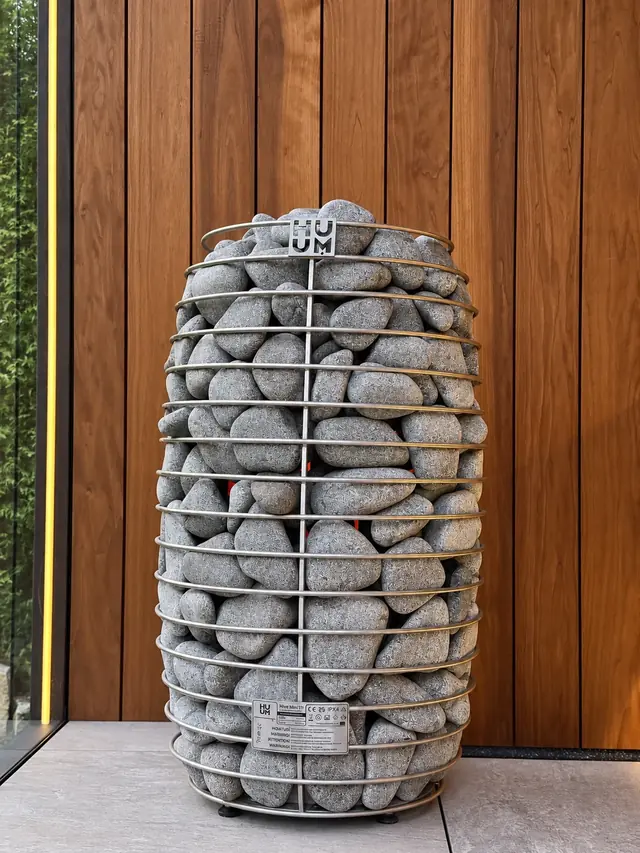
Electric heating belongs among traditional sauna options too. It changes the practical task of preparing the heat: there is no wood fire to tend, and the equipment has its own controls and operating requirements. Electricity and appropriate installation are part of the project conversation.[1]
For everyday use, consider the whole routine rather than looking for a universal “better” heater. Who switches it on, checks the room and looks after it afterwards? Would that process fit your household or guest setting? Understand any control features from the confirmed specification, including the conditions under which they may be used. Convenience is useful when it supports a careful, familiar routine.
Smoke sauna: meet a living tradition with a knowledgeable host
A traditional smoke sauna is a distinct form of wood heating. The Võro community explains that it has no chimney: smoke circulates during preparation, and the room is ventilated before bathing. That preparation requires its own knowledge and skills.[2]
For a newcomer, a hosted visit can be a way to encounter the culture as well as the room. Ask how the occasion will unfold and tell the host about your preferences. You can value the setting, craftsmanship and shared time without treating inherited healing beliefs as medical evidence. A smoke sauna experience is something to learn about with an appropriate host, rather than a method to improvise in another kind of cabin.
Infrared: another way of applying heat
Mayo Clinic distinguishes infrared heat from the warm-air approach of a traditional sauna: infrared energy heats the body directly, and these cabins are generally used at lower air temperatures. The equipment and experience are different from a heater-and-stones sauna.[3]
If you are curious, learn about the specific product rather than assuming the word “infrared” describes every feature. Ask about its operation, seating and the practical arrangements around a visit. Comfort is personal, and a lower air temperature is not a universal guarantee of suitability. Health research also needs to be read in context: a finding about one heat exposure or group of participants cannot automatically describe every other cabin.
Steam room: a separate humid-heat experience
A steam room is distinct from a sauna. Cleveland Clinic describes it as an alternative using humid heat, while traditional sauna options usually have much lower humidity. The atmosphere, surfaces and equipment call for their own operating and care arrangements.[4]
This distinction matters when you are choosing by feel. A photograph of steam does not tell you whether the place is a steam room or a traditional sauna where permitted water has been added to hot stones. Ask the venue what the experience actually is. Then choose based on the setting and comfort you would enjoy, rather than assuming that a more dramatic-looking room brings greater health benefits.
Barrels, cabins and outdoor rooms describe the design
A barrel shape, a freestanding cabin or an indoor room describes the architecture rather than establishing a separate medical effect. Look at the heating method and the confirmed layout as well as the exterior. A striking shape still has to work for the people using it.
Consider the ordinary movements of an evening: arriving, sitting, reaching the exit, changing and resting. Look at the drawings to understand the spaces and discuss your needs with the supplier. If you are planning an outdoor sauna, give the path, privacy and place afterwards the same attention as the building. Design becomes valuable when it makes the whole visit easier to enjoy.
Choose what you want the evening to give you
You might want the anticipation of a long preparation, a simple after-work pause, a cultural visit or an unhurried conversation. Those are useful goals because they help you judge real choices. Write the scene in ordinary language before choosing a label.
For example: “We want a place to warm up after a walk and sit together afterwards.” This is a planning example. It points towards questions about preparation, location and resting space, without making a claim about disease prevention. The gains you value may come from warmth, company and the room you create in your day. Medical suitability remains a separate personal question for a qualified clinician.
How our electric cabins fit
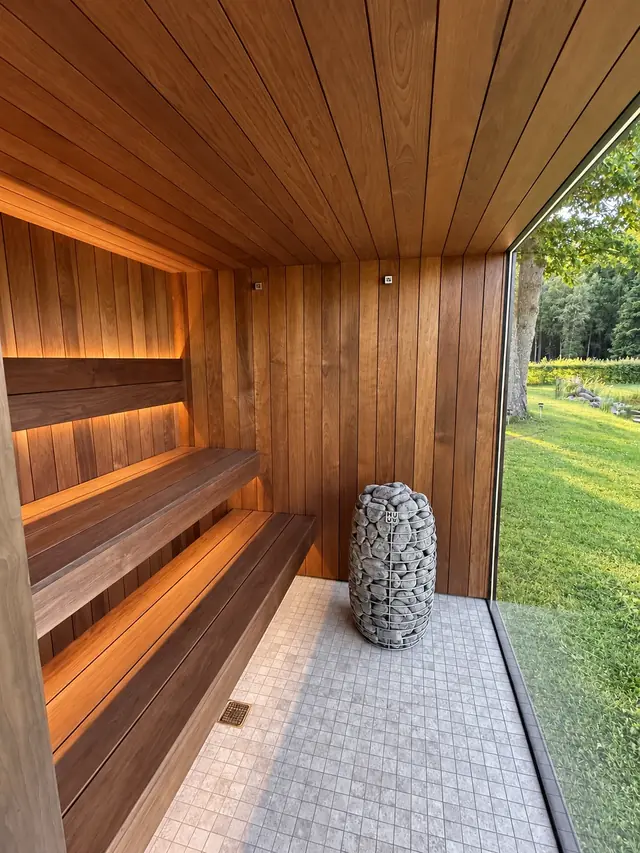
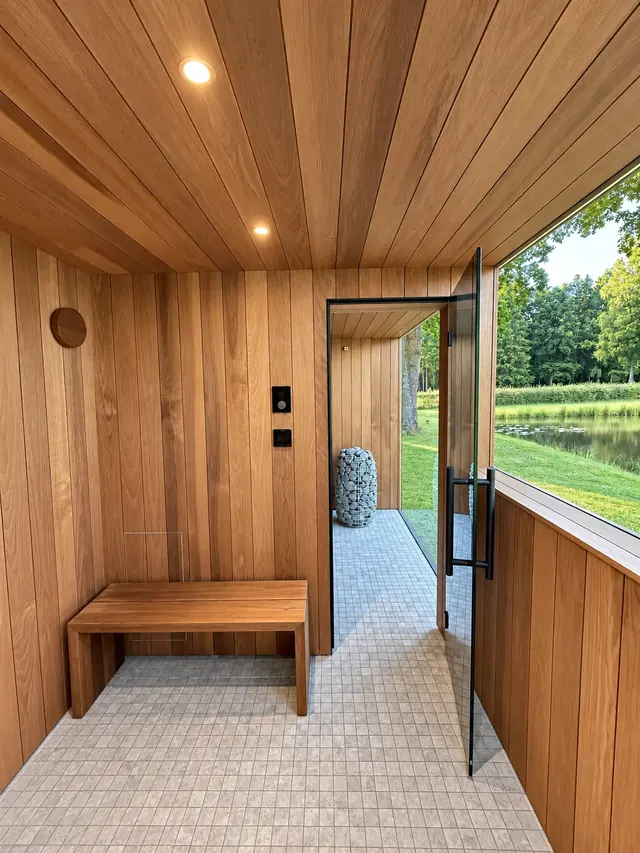
Both models are modern electrically heated traditional sauna cabins. Aura provides the compact sauna layout, while Aura Lounge adds a separate lounge. They offer two ways to arrange the space around the same idea of making time for warmth.
Use that distinction to start your own project conversation. Where will people change? Would a separate place to sit be useful? How does the location relate to the house or the guest accommodation? Confirm the equipment, finishes, site requirements and delivery arrangements in the written proposal. A clear understanding of the sauna type leaves you free to focus on the place and the evening you actually want to create.
Sources & further reading
- What types of saunas are there in Estonia?Visit Estonia · 2026 · cultural and equipment descriptions · Sources checked on
- Smoke sauna and customsVõromaa smoke sauna heritage community · cultural source · Sources checked on
- Do infrared saunas have any health benefits?Mayo Clinic · 2024 · Sources checked on
- Get Your Sweat On: The Benefits of a SaunaCleveland Clinic · Amy Zack, MD · 2024 · Sources checked on
Already have a place in mind?
A few thoughts can become your first project brief.